Building for Oncology: Why Cancer Care Requires its Own Ambient AI
In this short video, DeepScribe leaders explain how an AI platform created for oncology works differently, helping prepare clinicians for complex visits and carrying patient context forward across years of care.



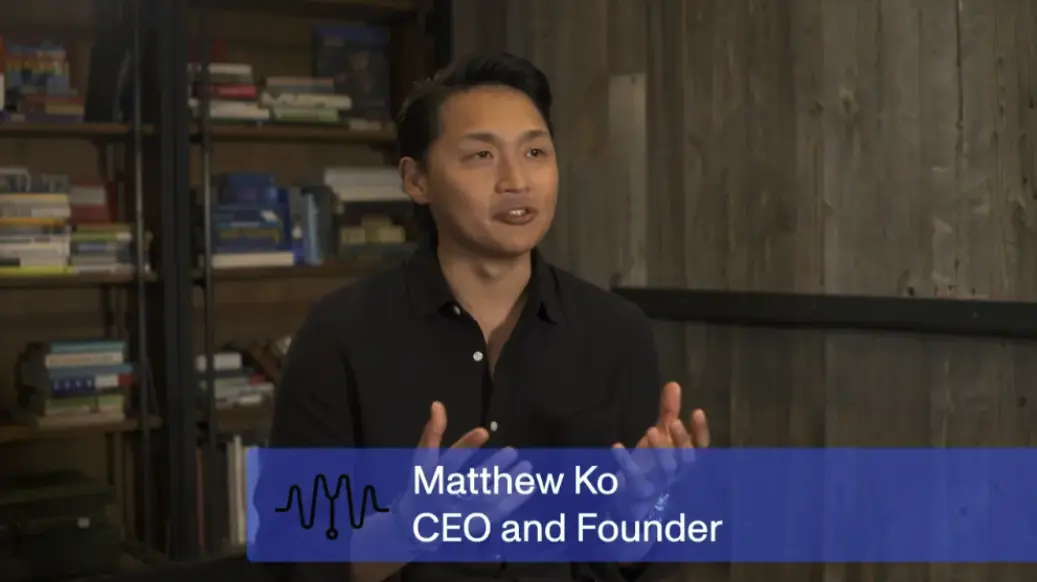
Featured:
-Matthew Ko, CEO and founder
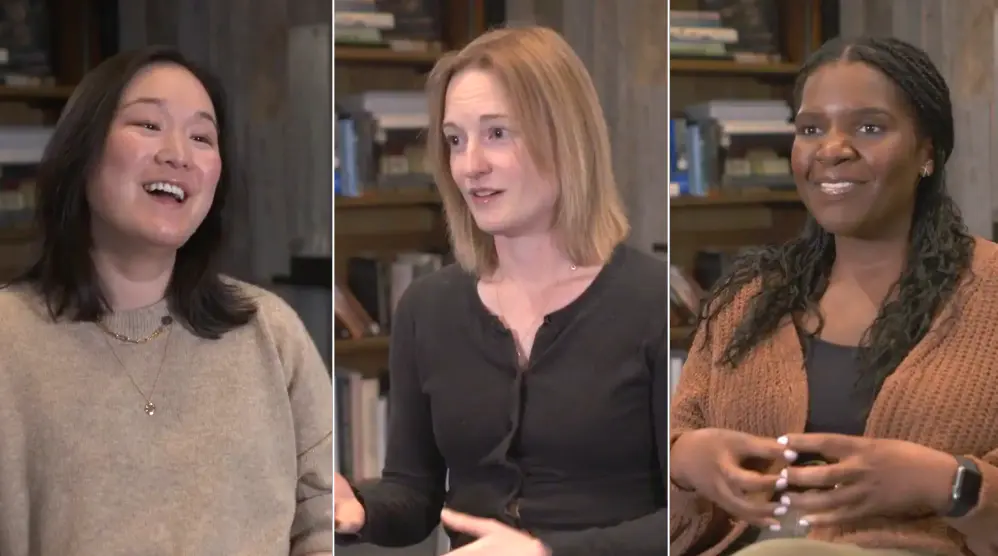
-Stephanie Wu, VP of Product
-Ravneet Riar, Director of Customer Solutions
-Chinenye Enenmoh, Director of Customer Success
Oncology is one of the most information-dense specialties in medicine. DeepScribe CEO and founder Matthew Ko sees that density as the reason generic AI documentation tools fall short. The practice of cancer care is, put simply, too complex not to have its own custom AI platform.
Guidelines evolve constantly, drug regimens are complicated, and physicians are expected to synthesize all of it in real time—sometimes while the patient sits in front of them. That complexity is exactly what DeepScribe has built its oncology product to address, giving the oncology community something made for them, rather than having them rely on retrofitting a general ambient AI tool.
The ability to document care specifically for oncology clinicians and their patients is the foundation, the starting point. The DeepScribe teams are now moving ambient AI beyond passive transcription into what Matt Ko calls "active awareness." By capturing the full clinical conversation, the technology creates structured, high-fidelity data as the visit happens; that data that can then be checked against guidelines, value-based contracts, and quality measures without adding another task to the physician's plate.
That framing sets up a very practical problem that VP of Product Stephanie Wu sees playing out in community oncology, in particular. Clinicians in community oncology see a wide range of cancer cases with little repetition day to day. Before every visit, they need to reorient, refreshing themselves on the specifics of that case, recalling the patient’s individual context, and confirming they're current on the latest standards of care for the case. The task is complicated, but the goal is simple: walk into the patient visit fully prepared.
"We built something so complex, yet so simple for an oncologist that when they see that first note come out, they're just the happiest.” - Ravneet Riar, DeepScribe Director of Customer Solutions
Director of Customer Solutions Ravneet Riar points to a clinical and narrative continuity that makes an oncology-specific approach necessary, not optional. Oncology patients are often followed by the same clinician for years, and each visit builds on the last. A tool built for oncology can't require a reset each time, whether that’s the repetition and editing of past notes, or the patient needing to retell a condition or event.
DeepScribe's model draws on a patient's oncologic history and prior notes already in the EHR, building forward rather than resetting. “Oncologists know this is going to help them save so many hours down the line," Riar says.
Director of Customer Success Chinenye Enenmoh ties the thread together by defining the dedication to oncology via her relationship with oncologists. She and her team see the value of each as a genuine partnership, one grounded in a simple, recurring question.
"What they are looking for from DeepScribe in general is, 'How do I make my life a bit easier so I can focus my time and attention on my patients?'" she says. That question, more than any single feature, is what shapes her team's work—figuring out the concrete steps that actually improve patient care, in a specialty whose complexity demands a custom solution.
Find out more about the DeepScribe Ambient Operating System for oncology
text
Related Stories
.png)

Realize the full potential of Healthcare AI with DeepScribe
Explore how DeepScribe’s customizable ambient AI platform can help you save time, improve patient care, and maximize revenue.